
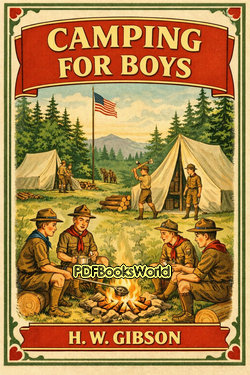
Camping For Boys
by H. W. Gibson
Camping For Boys: A Classic Guide to Outdoor Adventure and Survival Skills
Outdoor adventures have long inspired young readers to explore forests, rivers, mountains, and open campsites. Camping For Boys by H. W. Gibson is a classic guidebook that introduces readers to the fundamentals of camping, outdoor living, and wilderness skills. Written during the early 20th century, the book combines practical advice with lessons about teamwork, responsibility, and appreciation for nature.
Although modern camping equipment has changed over the years, many of the ideas in the book still remain useful for beginners interested in outdoor exploration.
A Book Designed for Young Adventurers
The book was created to teach boys how to enjoy camping safely and responsibly. Instead of focusing only on entertainment, the author explains practical outdoor knowledge in a clear and engaging way.
Readers can learn about:
- Setting up campsites
- Building campfires
- Cooking outdoors
- Hiking and exploring
- Outdoor safety
- Camp organization
- Nature observation
The writing encourages readers to become confident and self-reliant while enjoying the outdoors.
Why Camping Became Popular
During the late 19th and early 20th centuries, camping became an important recreational activity. Many educators and parents believed outdoor life helped young people build strength, discipline, and independence.
Learning Outside the Classroom
Books like Camping For Boys promoted learning through experience rather than formal classroom lessons. Camping allowed young people to develop practical skills while spending time in nature.
Building Confidence and Responsibility
The book teaches that camping requires preparation and careful thinking. Readers are encouraged to take responsibility for their equipment, safety, and behavior outdoors.
Practical Skills Featured in the Book
One of the most interesting parts of the guide is its detailed explanation of camping techniques and outdoor activities.
Camp Setup and Organization
The book explains how to choose safe and comfortable camping locations. It also discusses proper camp arrangement and cleanliness.
Important camping topics include:
- Selecting a campsite
- Protecting food supplies
- Keeping camp areas clean
- Arranging sleeping areas
- Managing campfires safely
These lessons remain useful for modern campers as well.
Outdoor Cooking Tips
Cooking over a fire is one of the classic camping experiences. The book introduces simple methods for preparing meals outdoors using basic tools and ingredients.
Hiking and Exploration
The guide encourages readers to explore forests, rivers, and trails while respecting nature and staying safe during outdoor activities.
The Educational Value of Camping
Beyond recreation, the book presents camping as a valuable learning experience.
Encouraging Teamwork
Many camping activities require cooperation and communication. The book highlights the importance of helping others and working together.
Teaching Self-Reliance
Camping often involves solving problems without modern conveniences. Readers learn how to adapt to changing weather, outdoor challenges, and limited resources.
Appreciation for Nature
The book encourages careful observation of plants, animals, weather, and landscapes. This creates a stronger connection with the natural environment.
Why Outdoor Books Still Matter Today
Modern technology has changed how people spend their free time. Many children and teenagers now spend more time indoors using screens and digital entertainment.
Books like Camping For Boys continue to remind readers about the benefits of outdoor activities, including:
- Physical exercise
- Stress reduction
- Learning practical skills
- Building independence
- Exploring nature
- Developing confidence
Even readers who never go camping may enjoy learning about traditional outdoor life and survival techniques.
A Look at Early Camping Culture
The book also provides insight into how people camped more than a century ago. Equipment, clothing, and travel methods were much simpler compared to modern camping gear.
Simpler Outdoor Living
Campers during that era often relied on basic supplies and handmade tools. This required creativity and preparation.
Focus on Character Development
The book places strong importance on honesty, discipline, leadership, and good behavior. Outdoor life was viewed as a way to develop positive personal qualities.
Memorable Features of the Book
Several qualities help the book remain interesting for modern readers.
Clear Explanations
The writing style is straightforward and easy to follow, especially for beginners.
Practical Advice
Many tips can still be applied to camping and hiking today.
Adventure and Exploration
The book captures the excitement of sleeping outdoors, exploring forests, and learning survival skills.
Final Thoughts
Camping For Boys by H. W. Gibson remains an enjoyable and educational classic about outdoor life and wilderness adventure. Combining practical camping advice with lessons about teamwork, responsibility, and appreciation for nature, the book continues to inspire readers interested in exploration and self-reliance.
For anyone curious about traditional camping, outdoor history, or early adventure literature, this classic guide offers an interesting look into the skills and values connected with life in the outdoors.
Similar Genres
About the Author
H. W. Gibson was an American outdoor writer and educator who encouraged young people to discover the rewards of camping, self-reliance, and life in the natural world. His work reflects a time when outdoor recreation was becoming an important part of youth education, promoting physical fitness, practical skills, and character development. Explore H. W. Gibson books to discover the author's life, literary career, and access notable works.