
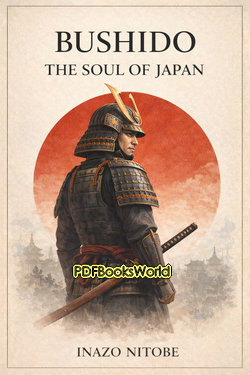
Bushido, the Soul of Japan
by Inazo Nitobe
Bushido, the Soul of Japan and the Philosophy of Honor, Discipline, and Duty
In Bushido, the Soul of Japan, Inazo Nitobe introduced international readers to the ethical ideals and cultural traditions associated with the Japanese samurai. Written in clear and thoughtful language, the book explains how principles such as honor, courage, loyalty, self-discipline, and moral responsibility shaped the philosophy known as Bushido.
More than a historical study of warriors, the book explores how ethical values influence character, society, and personal behavior. Nitobe presents Bushido not simply as military tradition, but as a moral and spiritual framework connected to Japanese culture and history.
The Meaning Behind Bushido
The term “Bushido” is often translated as “the way of the warrior.” It refers to the code of conduct associated with the samurai class, emphasizing virtues such as integrity, bravery, respect, and self-control.
Nitobe explains how these ideals developed through the influence of Confucianism, Buddhism, and Japanese social traditions over many centuries.
Core Principles Discussed in the Book
- Honor and personal integrity
- Loyalty and responsibility
- Courage and self-discipline
- Respect, politeness, and sincerity
- Moral strength during adversity
A Bridge Between Eastern and Western Thought
One of the reasons the book became internationally influential is that Nitobe wrote for readers outside Japan who were unfamiliar with samurai philosophy and Japanese ethics. He frequently compares Bushido with Western ideas about chivalry, morality, and honor to make the concepts easier to understand.
This cross-cultural approach helped the book become an important introduction to Japanese philosophy for global audiences.
Major Themes Explored Throughout the Work
- The relationship between ethics and society
- The importance of character and self-control
- Honor as a guiding life principle
- The influence of tradition on moral behavior
- The balance between strength and compassion
Why the Book Still Interests Modern Readers
Modern readers continue exploring Bushido, the Soul of Japan because its discussions about discipline, responsibility, and ethical behavior remain relevant in many areas of life. The book appeals to readers interested in philosophy, leadership, martial traditions, and cultural history.
Its thoughtful exploration of personal values also continues to inspire readers seeking deeper understanding of character and self-development.
Readers interested in Japanese cultural history often explore the historical traditions of the samurai and Bushido to better understand the cultural background behind Nitobe’s work.
Inazo Nitobe’s Cultural Influence
Inazo Nitobe became widely respected as an educator, writer, and cultural ambassador who helped explain Japanese traditions to international audiences during a period of global change and modernization.
His ability to present complex cultural ideas in a balanced and accessible way helped Bushido, the Soul of Japan remain influential far beyond its original publication era.
Reasons the Book Continues to Be Read
- Accessible introduction to Bushido philosophy
- Thoughtful discussion of ethics and character
- Historical insight into samurai traditions
- Cross-cultural perspective on morality
- Timeless lessons about discipline and honor
The Lasting Legacy of Bushido
The ideals associated with Bushido continue influencing discussions about leadership, discipline, martial arts, and personal conduct even in modern society. Although historical conditions have changed greatly since the samurai era, many people still find value in principles such as integrity, courage, and responsibility.
Nitobe’s work remains one of the most widely recognized books explaining these traditions to readers around the world.
Final Thoughts
Bushido, the Soul of Japan remains a thoughtful and influential exploration of ethics, discipline, and cultural tradition. Through clear explanation and philosophical reflection, Inazo Nitobe introduced readers to values that continue to inspire discussions about honor, character, and moral responsibility. Its lasting cultural and philosophical importance ensures its continued relevance for modern readers.
Similar Genres
About the Author
Inazo Nitobe was a Japanese educator, diplomat, agricultural economist, and prolific author whose writings introduced Japanese culture and philosophy to readers around the world. Deeply influenced by both Eastern traditions and Western education, he sought to build understanding between different civilizations through thoughtful scholarship and clear, engaging prose. Explore Inazo Nitobe books to discover the author's life, literary career, and access notable works.