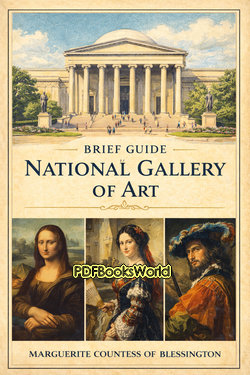
Brief Guide: National Gallery of Art
by Anonymous
An Informative Introduction to One of America's Great Art Museums
Brief Guide: National Gallery of Art by Anonymous serves as a concise introduction to the collections, history, and significance of the National Gallery of Art in Washington, D.C. Designed to assist visitors and readers, the guide highlights important works, explains the museum's purpose, and offers an overview of the artistic treasures housed within one of the world's most respected cultural institutions.
The Purpose of the Guide
Museum guides are intended to help visitors navigate extensive collections while providing essential background information. Rather than offering exhaustive scholarly analysis, this brief guide introduces key artworks, galleries, and themes, making the museum more accessible to a broad audience.
Its straightforward approach allows readers to gain a greater appreciation of the collection in a relatively short time.
Major Subjects Covered
- Museum History: The origins and development of the National Gallery of Art.
- European Masterpieces: Paintings and sculptures from important artistic traditions.
- American Art: Works reflecting the nation's cultural heritage.
- Art Appreciation: Guidance for understanding and enjoying visual art.
- Gallery Highlights: Notable objects and exhibitions within the museum.
The National Gallery of Art
The National Gallery of Art was established to make great works of art available to the public. Its collections encompass centuries of artistic achievement and represent a wide range of styles, periods, and cultural influences. Visitors encounter paintings, sculptures, decorative arts, drawings, and prints created by some of history's most celebrated artists.
The museum's mission emphasizes education, preservation, and public access.
A Journey Through Artistic History
The guide introduces readers to works spanning multiple eras, from the Renaissance and Baroque periods to more modern artistic movements. By presenting examples from different centuries and regions, it demonstrates how artistic styles evolved over time and how artists responded to changing cultural circumstances.
This historical perspective helps visitors place individual works within a broader context.
Learning to Look at Art
One of the guide's valuable functions is encouraging readers to observe artworks carefully. Attention to composition, color, technique, subject matter, and symbolism can deepen appreciation and reveal meanings that may not be immediately apparent.
The guide promotes active engagement rather than passive viewing.
The Educational Value of Museums
Museums play an important role in preserving cultural heritage and making knowledge accessible to the public. Through exhibitions and educational materials, they help visitors connect with history, creativity, and human achievement.
The guide reflects this educational mission by presenting information in a clear and approachable manner.
A Resource for Visitors and Students
Whether used before, during, or after a museum visit, a guide such as this can enhance understanding and enjoyment. Students, travelers, and art enthusiasts benefit from concise explanations that draw attention to important objects and themes.
The publication serves as both an introduction and a companion to the museum experience.
Why the Guide Remains Useful
Art museums can contain thousands of objects, making orientation difficult for first-time visitors. A brief guide provides structure and direction, helping readers identify significant works and appreciate the scope of the collection without becoming overwhelmed.
Its accessibility ensures lasting value for audiences of varying backgrounds and levels of expertise.
A Helpful Gateway to Artistic Discovery
Brief Guide: National Gallery of Art offers a clear and engaging introduction to one of America's premier art institutions. Through discussions of museum history, major collections, and the appreciation of visual art, the guide helps readers better understand the cultural treasures preserved within the gallery. It remains a useful resource for anyone seeking an accessible overview of art, history, and the museum experience.