
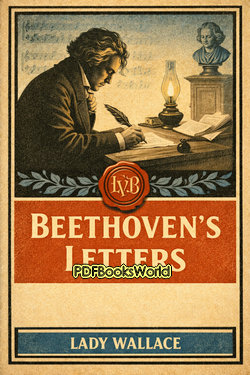
Beethoven's Letters
by Lady Wallace
The Personal Voice Behind the Music in Beethoven's Letters
Beethoven's Letters offers readers a revealing look into the thoughts, emotions, struggles, and creative life of Ludwig van Beethoven, one of the greatest composers in musical history. Through personal correspondence written across different stages of his life, the collection presents Beethoven not only as a legendary musician but also as a deeply human figure facing hardship, ambition, illness, and emotional conflict.
The letters provide insight into both his artistic genius and his private experiences beyond the concert hall.
A Window Into Beethoven’s Life
The collection includes letters written to friends, family members, publishers, fellow musicians, and patrons.
Through these writings, readers witness:
Creative excitement, financial difficulties, personal frustration, health problems, professional ambition, and moments of emotional vulnerability.
The correspondence helps create a more intimate portrait of Beethoven than biographies alone can provide.
Important Aspects of Beethoven Revealed in the Letters
- The Composer and Artist
Beethoven discusses music, composition, artistic standards, and the challenges of creative work. - The Struggle With Deafness
Many letters reflect the emotional pain caused by his gradual hearing loss. - The Independent Personality
Beethoven often appears proud, determined, passionate, and resistant to authority or social expectation. - The Emotional Individual
The letters reveal loneliness, affection, anger, hope, and personal sensitivity beneath his public reputation.
Major Themes Throughout the Correspondence
- Artistic Dedication
Beethoven repeatedly expresses devotion to music and creative excellence. - Perseverance Through Hardship
His letters reveal determination despite illness, financial pressure, and personal difficulty. - Human Emotion
The correspondence often reflects intense feeling, emotional honesty, and personal struggle. - Isolation and Independence
Beethoven’s growing deafness increased both emotional isolation and fierce personal independence.
The Emotional Impact of Deafness
One of the most moving aspects of the letters involves Beethoven’s gradual loss of hearing.
As a composer and musician, this condition deeply affected his emotional life and relationships. His writings reveal frustration, sadness, and fear, but also extraordinary resilience and determination to continue creating music.
These reflections remain among the most powerful personal documents in music history.
Beethoven’s Writing Style
The letters vary greatly in tone depending on the recipient and situation.
Some are formal and practical, while others are emotional, humorous, impatient, affectionate, or deeply philosophical.
Together they reveal a personality that was:
Passionate, intelligent, intense, creative, proud, and emotionally complex.
Historical Importance of the Collection
The letters are valuable not only for music historians but also for readers interested in European cultural history and artistic life during the late 18th and early 19th centuries.
They provide insight into:
Classical music culture, artistic patronage, publishing, performance, social relationships, and the everyday realities faced by major composers of the era.
Why Readers Continue to Find Them Fascinating
Modern readers often appreciate the collection because it reveals the human side of a legendary figure.
The letters show that behind Beethoven’s monumental music stood a person dealing with:
Illness, loneliness, ambition, emotional conflict, financial concerns, and the desire for artistic meaning.
This honesty gives the collection lasting emotional power.
Who May Enjoy This Book?
Beethoven's Letters is especially recommended for readers interested in:
Classical music, biographies, personal correspondence, European history, artistic creativity, and cultural studies.
Final Thoughts
Beethoven's Letters remains a remarkable collection revealing the mind and emotions of one of history’s greatest composers.
Through personal reflection, artistic discussion, and emotional honesty, the letters provide an intimate understanding of Beethoven’s struggles, genius, and enduring dedication to music and creative expression.
Similar Genres
About the Author
Lady Wallace was a British translator, editor, and author who helped introduce important European literary and historical works to English-speaking readers. She is especially remembered for her careful translations of biographies, memoirs, and collections of letters, making the lives and thoughts of notable historical figures more accessible to a wider audience. Explore Lady Wallace books to discover the author's life, literary career, and access notable works.