
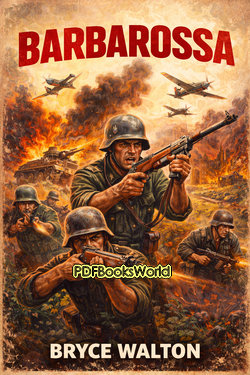
Barbarossa
by Franz Kuhn
A Dramatic Science Fiction Tale of Power, Conflict, and Ambition
Barbarossa by Bryce Walton is a tense and imaginative science fiction story exploring authority, conflict, and the dangerous pursuit of domination within a futuristic setting. The title evokes historical associations with conquest, warfare, and powerful leadership, suggesting a narrative shaped by ambition, struggle, and large-scale confrontation.
Through speculative adventure and dramatic tension, the story examines how power influences individuals and societies under extreme conditions. Like much mid-century science fiction, the narrative combines action and futuristic imagination with deeper concerns about control, violence, and human nature.
The work blends suspense, political conflict, and speculative storytelling.
A Struggle for Power in a Futuristic World
The story follows individuals or factions involved in conflict connected to a figure, operation, or force known as “Barbarossa.” The name itself carries an atmosphere of menace and authority, shaping the emotional tone of the narrative.
As tensions increase, characters must confront questions of loyalty, survival, leadership, and resistance. Political ambition, military danger, or technological power may threaten stability while forcing individuals into difficult moral choices.
The narrative builds suspense through conflict, uncertainty, and the fear of overwhelming power.
The Intense Style of Bryce Walton
Bryce Walton writes in a vivid and emotionally charged style emphasizing atmosphere, psychological pressure, and dramatic pacing. His storytelling frequently focuses on characters facing extreme situations shaped by violence, fear, or social instability.
The language remains direct and energetic while maintaining strong emotional tension throughout the story.
Walton’s ability to combine speculative settings with psychological intensity gives the narrative depth and urgency.
Main Themes and Speculative Elements
The story explores themes of power, conflict, domination, resistance, fear, and humanity’s response to authoritarian force. It also reflects broader anxieties about warfare and political control common in twentieth-century speculative fiction.
Through futuristic struggle and dramatic confrontation, the narrative examines the dangers associated with unchecked ambition and destructive authority.
Why the Story Still Holds Appeal
Barbarossa remains engaging because readers continue to enjoy science fiction involving political tension, psychological conflict, and large-scale danger. The dramatic atmosphere and speculative intensity give the story lasting excitement.
Readers interested in darker and more emotionally charged science fiction often appreciate Walton’s focus on human fear and conflict within futuristic settings.
Its suspenseful tone and themes of power continue to make the narrative memorable.
The Lasting Appeal of Political and Conflict-Driven Science Fiction
Science fiction frequently uses futuristic settings to examine warfare, political ambition, and authoritarian power. Stories involving domination and resistance often reflected twentieth-century fears surrounding global conflict and technological destruction.
Speculative fiction allowed writers to dramatize these concerns through imagined societies, interstellar conflict, and extreme psychological situations.
The continuing fascination with dystopian and political science fiction helps preserve interest in works like this.
Final Thoughts
Barbarossa by Bryce Walton is a tense and imaginative science fiction story exploring power, conflict, and the dangers of domination within a dramatic futuristic setting. Through suspenseful storytelling and psychological intensity, the narrative captures the emotional pressure and uncertainty associated with authoritarian ambition and large-scale struggle.
For readers who enjoy speculative conflict fiction, political science fiction, and emotionally charged futuristic adventure, this work remains both entertaining and thought-provoking.
Similar Genres
About the Author
Franz Kuhn was a German translator, editor, and writer best known for introducing the richness of classical Chinese literature to Western readers. Through his translations and adaptations, Kuhn opened a window into centuries of Chinese storytelling, making historical romances, legends, and adventure tales accessible to an international audience. Explore Franz Kuhn books to discover the author's life, literary career, and access notable works.