
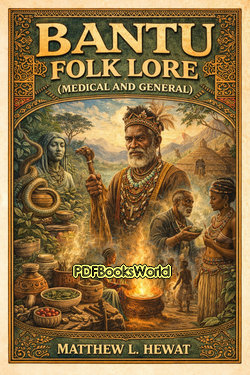
Bantu Folk Lore
by Matthew L. Hewat
Preserving the Oral Traditions of Southern Africa
Bantu Folk Lore by Matthew L. Hewat is a collection of traditional stories, legends, and cultural narratives gathered from Bantu-speaking communities in Southern Africa. The book serves as both a literary treasure and an ethnographic record, preserving tales that had been passed down orally through generations. Through these stories, readers gain insight into the values, beliefs, humor, and imagination of the communities from which they originated.
Like many folklore collections, the work captures a rich storytelling tradition in which animals, humans, spirits, and supernatural forces interact to explain the world and teach important lessons about life.
The Importance of Oral Storytelling
Before written records became widespread, stories were often preserved through oral tradition. Elders shared tales with younger generations, ensuring that cultural knowledge, history, and moral teachings remained alive. These stories entertained audiences while also reinforcing social values and community identity.
Hewat's collection helps preserve a portion of this oral heritage for future readers.
Stories Filled with Meaning
The tales found in the book range from humorous animal adventures to legends involving clever heroes, powerful spirits, and extraordinary events. Many stories explain natural phenomena, explore the consequences of human behavior, or celebrate qualities such as wisdom and courage.
Although rooted in specific cultural traditions, the themes often possess universal appeal.
Major Themes Found Throughout the Collection
- Wisdom: The value of intelligence and good judgment.
- Community: The importance of cooperation and social harmony.
- Respect for Tradition: Preserving cultural knowledge and customs.
- Moral Lessons: Teaching right and wrong through storytelling.
These themes connect the stories to the everyday lives of the people who shared them.
Characters in Traditional Folktales
Rather than following a single storyline, the collection presents many different tales featuring a variety of characters. Recurring figures often include clever animals, brave individuals, tricksters, elders, chiefs, and supernatural beings. Because the book is a collection of independent stories, there is no single cast of characters that appears throughout the entire volume.
Animals as Teachers and Tricksters
Animal characters play a prominent role in many Bantu folktales. They frequently possess human qualities and engage in adventures that illustrate important lessons. Cleverness, greed, generosity, and foolishness are often represented through the actions of these animal figures.
Such stories provide memorable and entertaining ways to communicate cultural wisdom.
Folklore as Cultural History
Beyond their entertainment value, folktales offer valuable insights into the societies that created them. They reflect social structures, spiritual beliefs, environmental knowledge, and community values. By recording these stories, Hewat helped preserve aspects of cultural heritage that might otherwise have been lost.
The collection remains useful for readers interested in anthropology, history, and comparative folklore.
A Window into Bantu Traditions
The book introduces readers to a rich storytelling tradition that has influenced generations of listeners and storytellers. Through myths, legends, and folktales, it reveals how communities understood their world and transmitted knowledge across time.
This cultural perspective is one of the collection's greatest strengths.
Why Readers Continue to Appreciate the Book
- Cultural Insight: A valuable record of Bantu oral traditions.
- Engaging Stories: Memorable tales filled with adventure and wisdom.
- Historical Importance: Preservation of folklore and traditional knowledge.
- Universal Themes: Lessons about human behavior and community life.
Why Bantu Folk Lore Remains Worth Reading
Bantu Folk Lore is a rich and rewarding collection that preserves the storytelling traditions of Southern Africa. Through its diverse tales of animals, heroes, tricksters, and spirits, Matthew L. Hewat provides readers with a valuable introduction to the cultural heritage of Bantu-speaking peoples. The book remains an important resource for anyone interested in folklore, cultural history, and the enduring power of oral storytelling.
Similar Genres
About the Author
Matthew L. Hewat was a writer, missionary, and collector of traditional stories whose work helped preserve the rich oral heritage of southern Africa. Recognizing the cultural importance of storytelling, he devoted his efforts to recording folktales that had been passed from one generation to another through spoken tradition. Explore Matthew L. Hewat books to discover the author's life, literary career, and access notable works.