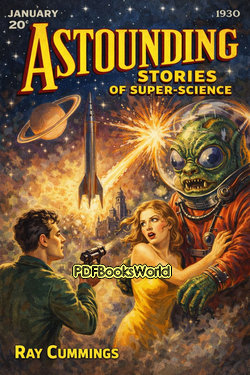
Astounding Stories of Super-Science January 1930
by Ray Cummings
Astounding Stories of Super-Science and the Explosive Rise of Pulp Science Fiction
The early twentieth century saw science fiction evolve into one of the most exciting forms of popular entertainment, and Astounding Stories of Super-Science from January 1930, edited by Harry Bates, became part of that revolutionary movement. Packed with futuristic inventions, alien worlds, scientific adventure, and imaginative speculation, the magazine helped shape the golden age of pulp science fiction.
These stories introduced readers to thrilling visions of space travel, advanced technology, cosmic danger, and scientific discovery during a period when modern science itself was rapidly transforming everyday life.
The World of Pulp Science Fiction Magazines
Pulp magazines became hugely popular during the early twentieth century because they offered inexpensive, fast-paced stories filled with excitement and imagination. Science fiction magazines especially captured public fascination by presenting dramatic visions of the future.
Readers encountered daring inventors, strange civilizations, interplanetary conflict, and technological wonders that expanded the boundaries of popular storytelling.
What Made These Stories So Popular
- Exciting futuristic adventures and discoveries
- Imaginative scientific and technological ideas
- Alien worlds and cosmic exploration
- Fast-paced storytelling and dramatic action
- Influence on later science fiction culture
The Fascination With “Super-Science”
The phrase “super-science” reflected the era’s excitement about technological progress and scientific possibility. Writers imagined inventions far beyond contemporary reality, often blending genuine scientific curiosity with adventurous fantasy.
These stories encouraged readers to dream about future worlds shaped by advanced machines, powerful energy sources, and interplanetary travel.
Major Themes Explored Throughout the Magazine
- The promise and danger of scientific progress
- Exploration of unknown worlds and civilizations
- Human ambition and technological innovation
- The conflict between humanity and the unknown
- The excitement of discovery and adventure
How Pulp Magazines Influenced Modern Science Fiction
Magazines like Astounding Stories played a major role in shaping modern science fiction by giving writers a platform to experiment with futuristic ideas and imaginative storytelling. Many later science fiction traditions developed directly from pulp magazine culture.
The adventurous style and speculative concepts found in these publications later influenced novels, comic books, radio dramas, television, and cinema.
Readers interested in speculative fiction history often explore the development of science fiction as a literary genre to better understand how pulp magazines transformed popular storytelling.
The Legacy of Early Science Fiction Editors and Writers
Editors such as Harry Bates helped define what early science fiction looked like by selecting stories focused on wonder, invention, and dramatic possibility. Their magazines introduced readers to imaginative visions that inspired future generations of writers and scientists.
The pulp era also created a strong fan culture that contributed to the long-term growth of science fiction literature.
Reasons the Magazine Still Holds Historical Interest
- Important part of pulp magazine history
- Helped shape early science fiction traditions
- Reflects cultural fascination with technology
- Introduced imaginative futuristic storytelling
- Influenced later generations of science fiction creators
The Enduring Appeal of Retro Science Fiction
Early science fiction continues fascinating readers because it captures both the optimism and anxieties of an era obsessed with invention and progress. The imaginative freedom of pulp storytelling still feels energetic, adventurous, and creatively bold today.
Works like Astounding Stories of Super-Science preserve the excitement of a literary movement that helped define modern speculative fiction.
Final Thoughts
Astounding Stories of Super-Science from January 1930 remains an exciting snapshot of early pulp science fiction and imaginative adventure. Through futuristic ideas, cosmic exploration, and thrilling storytelling, the magazine helped shape the foundations of modern science fiction culture. Its lasting influence continues inspiring readers interested in speculative fiction, technological imagination, and the history of popular storytelling.
Similar Genres
About the Author
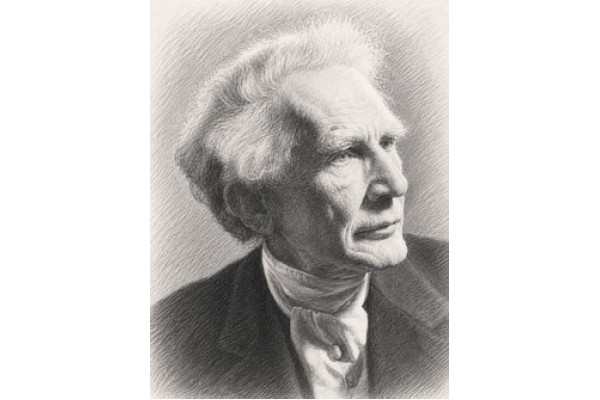
Ray Cummings was an American science fiction pioneer whose imaginative stories helped shape the genre during its formative years. Born in New York City in 1887, Cummings combined scientific curiosity with a remarkable talent for storytelling, introducing readers to extraordinary adventures that stretched the limits of imagination. Explore Ray Cummings books to discover the author's life, literary career, and access notable works, including The Light Machine, An Art Shop in Greenwich Village, The Big Idea, The Right Thing , and more.