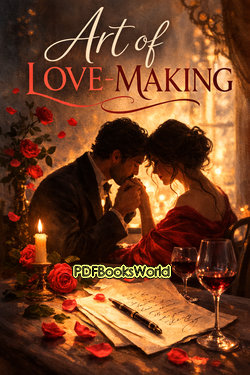
Art of Love-Making explores the emotional and social dimensions of courtship, offering reflections on how affection grows through attention, patience, and understanding between two people. The narrative moves through scenes of conversation, manners, and gentle persuasion, presenting love as both an art and a discipline that must be practiced with sincerity. Throughout the discussion the tone blends observation with guidance, emphasizing the value of tact and thoughtful behavior in winning genuine regard. Moments of reflection highlight the subtle balance between attraction and respect, suggesting that successful romance depends not on bold display but on a delicate awareness of feeling, character, and the quiet language of human connection.
Art of Love-Making
by Anonymous
Exploring Relationships, Affection, and Human Connection
Art of Love-Making is a relationship guide that examines the many aspects of romantic affection and companionship. Written in an era when discussions about courtship and personal relationships were often approached with formality, the book seeks to offer readers advice on building meaningful connections. Rather than focusing solely on romance, it considers the emotional, social, and personal qualities that contribute to successful relationships.
A Window into Historical Views on Romance
The book reflects attitudes and beliefs about love that were common during the period in which it was written. Readers are introduced to ideas about attraction, communication, respect, and the responsibilities that accompany romantic relationships. While some viewpoints may feel dated to modern audiences, the work remains an interesting historical document that reveals how people understood love and companionship in an earlier age.
Its advice is presented in a straightforward manner, making the text accessible to readers interested in social history as well as relationship literature.
Topics Explored in the Book
- Courtship: Guidance on forming and developing romantic relationships.
- Character: The importance of personal qualities in attracting and maintaining affection.
- Communication: The role of understanding and mutual respect between partners.
- Commitment: Discussions about loyalty, trust, and long-term relationships.
Lessons Beyond Romance
One of the book's strengths is its emphasis on personal conduct and self-improvement. The author suggests that successful relationships are built not only on attraction but also on qualities such as kindness, honesty, patience, and consideration. These ideas extend beyond romance and can be applied to friendships, family relationships, and everyday interactions.
By encouraging readers to develop positive personal habits, the book presents relationships as partnerships that require effort and understanding from both individuals.
Themes
- Love and Affection: The importance of genuine emotional connection.
- Respect: Healthy relationships are built on mutual consideration.
- Personal Growth: Self-improvement contributes to stronger partnerships.
- Trust: Confidence and honesty form the foundation of lasting bonds.
- Social Values: The book reflects the customs and expectations of its time.
Its Place in Relationship Literature
Relationship advice books have existed for centuries, and Art of Love-Making represents one example of this enduring tradition. The work provides insight into how earlier generations approached subjects such as courtship, marriage, and personal conduct. For modern readers, this historical perspective can be just as interesting as the advice itself.
The book also highlights the timeless nature of certain relationship principles. While society has changed significantly, themes such as trust, communication, and respect remain central to healthy relationships today.
A Thought-Provoking Historical Read
Art of Love-Making offers more than simple advice about romance. It serves as a snapshot of social attitudes, personal values, and relationship expectations from another era. Readers interested in the history of relationships, social customs, or classic self-help literature will find the book both informative and engaging. Its blend of practical observations and cultural insight makes it a noteworthy work for those exploring the evolution of ideas about love and companionship.