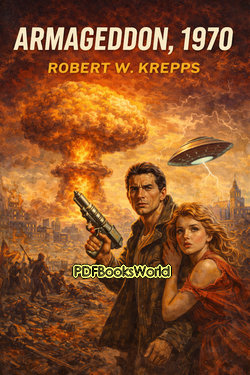
Armageddon, 1970
by Robert W. Krepps
A Cold War Vision of Science, Fear, and Global Survival
Armageddon, 1970 by Robert W. Krepps is a science fiction adventure that reflects many of the anxieties and fascinations of the early Cold War era. Originally published in the early 1950s, the novel imagines a future shaped by advanced technology, hidden threats, and the possibility of catastrophic conflict. Set against a backdrop of scientific experimentation and global uncertainty, the story combines suspense, mystery, and speculative ideas about humanity's future.
The title itself carries enormous weight. By invoking the idea of Armageddon, the novel suggests a struggle with consequences extending far beyond individual lives. The year 1970, viewed from the perspective of the 1950s, represented a near future in which scientific progress and political tensions might dramatically reshape civilization.
A Future Filled with Uncertainty
Like much science fiction of its period, the novel reflects concerns about what rapid technological advancement could bring. Scientific achievements promised extraordinary possibilities, yet they also raised fears about misuse, secrecy, and unintended consequences.
The story centers on Dr. Alan Rackham, a scientist connected with a mysterious project involving advanced technologies and unusual discoveries. As strange incidents begin to occur, he becomes entangled in a web of danger, conspiracy, and larger forces operating beyond ordinary understanding.
What begins as a personal struggle gradually expands into a conflict with far-reaching implications.
Science Fiction and Cold War Anxiety
One reason the novel remains interesting is its connection to the historical atmosphere in which it was written. During the 1950s, fears of nuclear war, technological rivalry, and hidden enemies shaped both politics and popular culture.
Science fiction writers frequently transformed these concerns into stories involving secret projects, alien forces, and threats to humanity's survival. Armageddon, 1970 follows this tradition by blending futuristic invention with suspense and uncertainty.
The novel captures a period when many people viewed the future with both excitement and apprehension.
Mystery, Conspiracy, and Hidden Enemies
A major source of tension in the narrative comes from uncertainty regarding who can be trusted. Strange events, unexplained dangers, and concealed motives create an atmosphere in which appearances may be deceptive.
As the story unfolds, readers encounter elements such as:
- Advanced scientific research.
- Threats linked to hidden conspiracies.
- Questions about human and nonhuman influences.
- Efforts to prevent large-scale catastrophe.
These ingredients give the novel the fast-moving pace associated with classic pulp science fiction.
Robert W. Krepps and Speculative Adventure
Robert W. Krepps was a prolific American writer who worked across several genres, including science fiction, adventure fiction, and historical novels. Many of his science fiction stories explored themes of danger, exploration, and extraordinary technological developments.
His storytelling style emphasizes action and momentum. Rather than focusing exclusively on scientific explanation, he uses speculative ideas as the foundation for dramatic conflicts and high-stakes adventures.
This approach helped make his fiction accessible to a wide audience of magazine and paperback readers.
The Themes Beneath the Action
Although the novel delivers excitement and suspense, it also explores broader questions about humanity's future. Scientific power appears as both an opportunity and a potential danger. Knowledge can advance civilization, yet it can also create risks when placed in the wrong hands.
The story further examines responsibility, particularly the obligations carried by scientists and leaders whose decisions affect society on a large scale.
Another recurring theme is survival. Faced with threats that challenge existing assumptions about the world, characters must adapt quickly and confront forces larger than themselves.
Why the Novel Still Appeals
Armageddon, 1970 remains engaging because many of its concerns continue to feel relevant. Questions about emerging technologies, global security, and humanity's ability to manage powerful innovations remain central topics in modern science fiction.
The novel also offers a fascinating glimpse into how writers of the 1950s imagined the future. Its predictions may reflect the assumptions of its era, but its underlying themes of uncertainty and technological change remain recognizable today.
Final Thoughts
Armageddon, 1970 by Robert W. Krepps is an energetic science fiction adventure that combines futuristic speculation, conspiracy, and global danger. Through its portrayal of scientific ambition and looming catastrophe, the novel captures the hopes and fears of the Cold War period while delivering an entertaining and suspenseful narrative.
For readers interested in classic science fiction, Cold War themes, speculative technology, and fast-paced adventure, this work remains an intriguing example of mid-twentieth-century imaginative fiction.
Similar Genres
About the Author
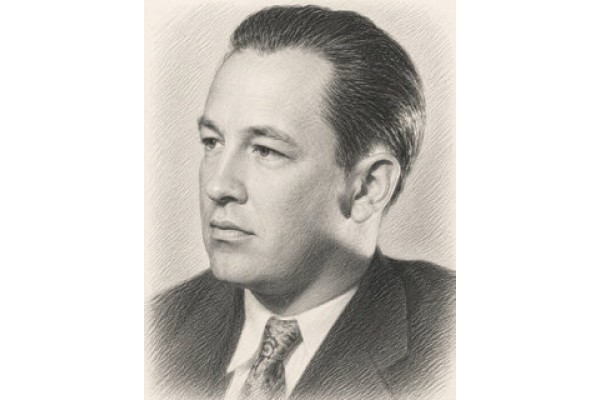
Robert W. Krepps was an American author whose adventurous imagination and fascination with the outdoors made him a distinctive voice in mid-twentieth-century popular fiction. Born in 1919, Krepps wrote across several genres, including science fiction, adventure, wildlife stories, and Westerns. Explore Robert W. Krepps books to discover the author's life, literary career, and access notable works, including Beyond the Fearful Forest, Beware, the Usurpers!, The Enchanted Crusade, Vengeance From the Past , and more.