
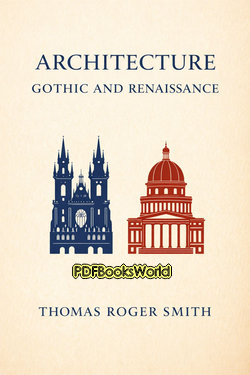
Architecture: Gothic and Renaissance
by Thomas Roger Smith
Architecture: Gothic and Renaissance and the Evolution of European Design and Creativity
Architecture reflects the artistic, cultural, and intellectual spirit of every historical era, and Architecture: Gothic and Renaissance by T. Roger Smith explores two of the most influential architectural movements in European history. The book examines how Gothic and Renaissance styles transformed buildings, cities, and artistic expression from the medieval world into the age of humanism and classical revival.
Through historical explanation and architectural analysis, the work reveals how design evolved alongside changing ideas about religion, science, beauty, and society.
The Dramatic Style of Gothic Architecture
Gothic architecture emerged during the medieval period and became known for towering cathedrals, pointed arches, ribbed vaults, and stained glass windows. These buildings were designed to inspire awe and spiritual reflection through height, light, and intricate detail.
The Gothic style emphasized vertical movement and decorative complexity, creating some of the most visually striking structures in European history.
Key Features of Gothic Architecture
- Pointed arches and soaring towers
- Large stained glass windows
- Ribbed vaults and flying buttresses
- Highly detailed stone carvings
- Strong emphasis on spiritual grandeur
The Renaissance Return to Classical Ideals
Renaissance architecture developed later as European artists and thinkers rediscovered the influence of ancient Greece and Rome. Unlike the dramatic verticality of Gothic buildings, Renaissance structures emphasized balance, symmetry, proportion, and harmony.
Architects during the Renaissance focused on mathematical precision and classical beauty, reflecting the growing influence of humanism and scientific thought.
Major Themes Explored Throughout the Book
- The relationship between architecture and culture
- The influence of religion on artistic design
- The revival of classical ideas during the Renaissance
- The balance between decoration and structure
- The evolution of artistic and engineering techniques
How Architecture Reflects Historical Change
One of the book’s most interesting insights is how architectural styles reveal broader historical transformations. Gothic cathedrals reflected medieval spirituality and religious authority, while Renaissance buildings reflected growing interest in science, reason, and classical learning.
Changes in architecture often mirrored larger shifts in politics, philosophy, and cultural identity across Europe.
Readers interested in historical design often explore the development of Gothic architecture in Europe to better understand the artistic innovations that shaped medieval and Renaissance building traditions.
Why Gothic and Renaissance Architecture Still Fascinate People
Modern audiences continue admiring Gothic and Renaissance structures because of their beauty, craftsmanship, and historical importance. Cathedrals, palaces, churches, and public buildings from these periods remain among the world’s most admired architectural achievements.
The influence of these styles can still be seen in modern churches, universities, museums, and government buildings.
Reasons the Book Continues to Hold Value
- Explains major architectural movements clearly
- Connects design with historical change
- Highlights artistic and engineering innovation
- Useful for students of architecture and art history
- Preserves appreciation for historical craftsmanship
The Lasting Influence of Historical Architecture
Gothic and Renaissance architecture continue shaping modern design because they established enduring ideas about beauty, proportion, engineering, and artistic expression. Their buildings remain powerful symbols of cultural identity and human creativity.
Books like Architecture: Gothic and Renaissance help readers better understand the artistic vision and technical mastery behind these historical masterpieces.
Final Thoughts
Architecture: Gothic and Renaissance remains an insightful exploration of two of the most important artistic movements in European history. Through careful examination of style, structure, and cultural influence, T. Roger Smith reveals how architecture reflects the changing ideas and ambitions of civilization itself. Its lasting educational and artistic value continues to inspire readers interested in architecture, history, and design.
Similar Genres
About the Author
Thomas Roger Smith was a British architect, educator, and architectural historian whose writings helped generations of students understand the evolution of architectural design. Explore Thomas Roger Smith books to discover the author's life, literary career, and access notable works.