Antipope Hippolytus
Hippolytus of Rome, also known as Antipope Hippolytus, was one of the earliest and most influential Christian theologians, biblical scholars, and apologists of the third century. Born around AD 170, Hippolytus was a prolific writer whose works shaped the development of Christian theology, biblical interpretation, and church tradition. Although remembered as the first antipope because of his opposition to certain bishops of Rome, he was eventually reconciled with the Church and is honored as a Christian martyr and saint. His surviving writings provide invaluable insight into the beliefs, worship, and theological debates of the early Christian Church.
Defending Christian Doctrine and Tradition
Hippolytus believed that the Christian faith should remain firmly rooted in apostolic teaching and sound doctrine. His writings addressed theology, biblical commentary, church discipline, liturgy, and heresy, offering detailed arguments in defense of orthodox Christianity. Combining careful scriptural interpretation with philosophical reasoning, he sought to preserve the teachings handed down by the early Church while challenging ideas he believed departed from the Christian faith. His scholarship continues to be an essential resource for historians, theologians, and students of early Christianity.
Beyond his theological writings, Hippolytus documented many aspects of early Christian worship and ecclesiastical life, making his works indispensable sources for understanding the history of the ancient Church.
Essential Works
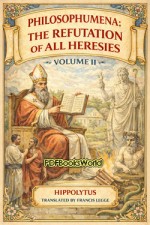
- Philosophumena, also known as The Refutation of All Heresies, is Hippolytus's most celebrated work, examining the philosophical origins of numerous religious movements while defending orthodox Christian doctrine against heretical teachings.
- On Christ and Antichrist presents one of the earliest Christian studies of biblical prophecy, exploring the nature of Christ, the Antichrist, and the events associated with the end times.
- The Apostolic Tradition offers one of the earliest surviving descriptions of Christian worship, ordination, baptism, and church practices, providing invaluable insight into third-century Christianity.
- Commentary on Daniel is among the earliest complete Christian commentaries on a biblical book, interpreting the prophecies of Daniel in light of Christian theology.
- Chronicon reflects Hippolytus's interest in biblical chronology and universal history, tracing significant events from creation through the early Christian era.
An Enduring Legacy in Early Christian Thought
Hippolytus of Rome's writings continue to shape the study of early Christianity through their theological depth, historical importance, and careful biblical interpretation. From Philosophumena to On Christ and Antichrist, The Apostolic Tradition, and Commentary on Daniel, his works remain foundational texts for understanding the beliefs and practices of the early Church. His enduring legacy continues to inspire scholars, clergy, and readers interested in Christian history and theology.
If you enjoy early Christian writings, biblical studies, church history, and theological classics, the works of Hippolytus of Rome are well worth exploring. At PDFBooksWorld, you can discover a carefully curated collection of his enduring writings and gain a deeper understanding of one of Christianity's earliest and most influential theologians.
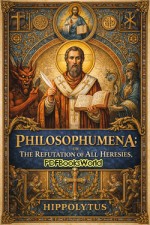
Philosophumena, Volume I
Antipope Hippolytus