
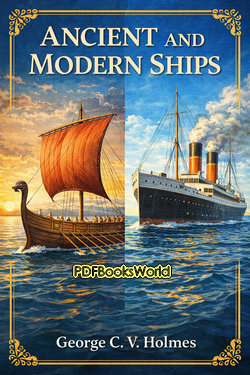
Ancient and Modern Ships
by George C. V. Holmes
How Ancient and Modern Ships, Part 1: Wooden Sailing Ships Explores the Evolution of Maritime History
The history of civilization has always been closely connected to the sea, and Ancient and Modern Ships, Part 1: Wooden Sailing Ships by Sir George C. V. Holmes offers readers a fascinating journey through the development of wooden sailing vessels across different periods of history. The book combines historical research, naval engineering, and maritime culture to explain how ships evolved from simple ancient boats into advanced sailing machines.
For readers interested in naval history and technological progress, the work provides both educational insight and a detailed look into the craftsmanship that shaped global exploration and trade.
The Importance of Wooden Sailing Ships in Human History
Before steam engines and modern naval technology, wooden sailing ships were essential for exploration, commerce, communication, and warfare. Nations depended on these vessels to build empires, transport goods, and connect distant parts of the world.
The book explains how shipbuilders improved design, durability, and navigation methods over centuries of experimentation and maritime experience.
Major Topics Covered in the Book
- The evolution of ancient ship design
- Construction techniques for wooden vessels
- Naval warfare and maritime exploration
- The growth of international trade routes
- Advances in sailing technology and navigation
From Ancient Boats to Powerful Sailing Fleets
One of the most interesting aspects of the book is its explanation of how shipbuilding gradually advanced through different civilizations. Early boats made from simple materials eventually evolved into highly sophisticated sailing ships capable of crossing oceans.
The development of sails, hull construction, and navigation techniques transformed maritime travel and expanded global exploration during later centuries.
Key Developments in Maritime Engineering
- Improved hull stability and ship durability
- Advanced sail and mast designs
- Better navigation and steering systems
- Larger cargo and military vessels
- Expansion of long-distance sea travel
Why Maritime History Continues to Fascinate Readers
Maritime history remains popular because ships played such an important role in shaping trade, exploration, warfare, and cultural exchange. Wooden sailing ships represent both technological achievement and human ambition during periods of global discovery.
The book also appeals to readers interested in engineering and craftsmanship because it explains how shipbuilders solved complex structural challenges using limited tools and materials.
Readers interested in naval technology and exploration often explore historical developments in shipbuilding and maritime exploration to better understand the evolution of sailing vessels through different historical eras.
Sir George C. V. Holmes and Maritime Scholarship
Sir George C. V. Holmes became respected for presenting naval engineering and maritime history in a clear and accessible style. His work helped readers understand not only how ships were built but also why they mattered culturally and economically.
The detailed descriptions and historical explanations make the book valuable for historians, naval enthusiasts, and readers curious about technological progress before the industrial age.
Why the Book Still Holds Value Today
- Preserves historical shipbuilding knowledge
- Explains maritime technological progress
- Provides insight into naval exploration
- Highlights craftsmanship and engineering skill
- Offers valuable historical and educational content
The Enduring Legacy of Wooden Sailing Ships
Although modern ships now use advanced engines and materials, wooden sailing vessels remain powerful symbols of exploration and human ingenuity. Their influence can still be seen in museums, naval traditions, historical studies, and recreational sailing culture today.
The craftsmanship behind these ships continues to inspire admiration because each vessel represented years of skill, labor, and innovation.
Final Thoughts
Ancient and Modern Ships, Part 1: Wooden Sailing Ships remains an engaging and informative exploration of maritime history and naval engineering. Through detailed research and accessible writing, Sir George C. V. Holmes reveals how wooden sailing ships shaped trade, exploration, and global history for centuries. Its combination of historical insight and technological curiosity ensures the book’s lasting importance for readers interested in ships, engineering, and the history of the sea.
Similar Genres
About the Author
George C. V. Holmes (dates uncertain) was a British naval architect, marine engineer, and author who wrote about the history, design, and development of ships. Drawing upon his technical knowledge and interest in maritime history, Holmes explained how shipbuilding evolved from the earliest boats to the advanced vessels of the modern age. Explore George C. V. Holmes books to discover the author's life, literary career, and access notable works.