
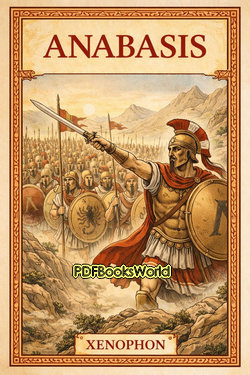
Anabasis
by Xenophon
War, Survival, and Leadership in Xenophon’s Anabasis
Ancient battles, dangerous journeys, and remarkable endurance shape the unforgettable story of Anabasis by Xenophon. Written more than two thousand years ago, the work remains one of the most important military and historical narratives from classical Greece.
Part history, part adventure, and part personal memoir, the book follows a large group of Greek soldiers trapped deep inside enemy territory after a failed military campaign. Surrounded by danger and far from home, the soldiers must fight, negotiate, and survive during an exhausting journey across unfamiliar lands.
The dramatic retreat described in the book became one of the most famous survival stories in ancient literature.
The Historical Background of Anabasis
The story is based on real historical events connected to Cyrus the Younger, a Persian prince who attempted to seize power from his brother, King Artaxerxes II of Persia.
Cyrus hired thousands of Greek mercenaries to support his campaign. However, after Cyrus was killed during battle, the Greek army suddenly found itself stranded deep within the Persian Empire without clear leadership or safe passage home.
The soldiers now faced:
Hostile territory, extreme weather, food shortages, enemy attacks, political uncertainty, and a dangerous journey across mountains and rivers.
Xenophon, originally one of the participants, eventually became one of the leaders guiding the army toward safety.
Main Figures in the Story
- Xenophon – The Greek soldier, historian, and writer who becomes an important leader during the retreat.
- Cyrus the Younger – The Persian prince whose failed rebellion begins the entire conflict.
- The Greek Mercenaries – Thousands of soldiers forced to survive together while traveling through enemy territory.
- Persian Commanders and Local Tribes – Opponents and obstacles that constantly threaten the Greeks during their journey.
Major Themes in Anabasis
- Leadership Under Pressure – Xenophon demonstrates how leadership becomes critical during moments of fear and uncertainty.
- Survival and Endurance – The soldiers must overcome physical hardship, exhaustion, and constant danger.
- Loyalty and Cooperation – The army survives largely because the soldiers work together during difficult conditions.
- War and Consequences – The book reveals the risks and unpredictability of military ambition.
- Human Determination – Persistence and discipline allow the soldiers to continue despite overwhelming challenges.
The Famous March Home
The most memorable part of the book is the Greeks’ long retreat toward the Black Sea and eventual safety. The journey takes them through mountains, deserts, hostile villages, and freezing conditions.
One of the most famous moments occurs when the exhausted soldiers finally see the sea and realize they are closer to returning home.
The march includes:
Military battles, difficult negotiations, harsh landscapes, survival struggles, and moments of emotional relief and hope.
This dramatic retreat became legendary in military history and literature.
Xenophon’s Writing Style
Xenophon writes in a direct and practical style that reflects his experience as both a soldier and historian. Unlike highly dramatic fictional epics, Anabasis often feels realistic and immediate.
The narrative focuses closely on decision-making, strategy, morale, and the daily difficulties faced by the army.
His clear storytelling helps readers understand both the emotional and logistical challenges of the journey.
Why Anabasis Still Matters Today
Modern readers continue to admire the book because it combines history, leadership, adventure, and survival into one compelling narrative. Military leaders, historians, and students of leadership often study the work for its practical lessons.
Readers still appreciate the book because it:
Explores leadership realistically, presents dramatic survival challenges, offers historical insight, and highlights the importance of discipline and teamwork.
The themes of perseverance and resilience remain meaningful across different generations.
Interesting Facts About the Book
Anabasis became highly influential in military history and leadership studies. Many later generals and political leaders studied the book carefully. The work also helped preserve valuable information about ancient Persia, Greek warfare, and the geography of the ancient world.
Final Thoughts
Anabasis by Xenophon remains one of the most remarkable survival and military narratives ever written. Through dangerous journeys, difficult leadership decisions, and extraordinary endurance, the book captures the resilience of people facing overwhelming odds.
For readers interested in ancient history, military strategy, leadership, or historical adventure, Anabasis continues to provide a fascinating and inspiring reading experience.
Similar Genres
About the Author
Xenophon was an ancient Greek historian, soldier, philosopher, and student of Socrates whose writings provide some of the most valuable firsthand accounts of the classical world. Living during the fourth century BCE, he combined military experience with literary talent to produce works on history, philosophy, leadership, politics, and practical living. Explore Xenophon books to discover the author's life, literary career, and access notable works.