
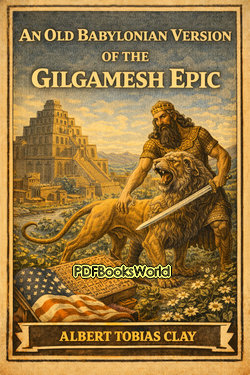
An Old Babylonian Version of the Gilgamesh Epic
by Albert Tobias Clay
Ancient Heroes and Human Struggle in An Old Babylonian Version of the Gilgamesh Epic
An Old Babylonian Version of the Gilgamesh Epic presents one of the oldest surviving literary works in human history. Originating in ancient Mesopotamia, the epic tells the story of Gilgamesh, a powerful king whose adventures explore friendship, mortality, ambition, and the search for meaning.
The text offers modern readers a rare glimpse into the beliefs, imagination, and storytelling traditions of one of the world’s earliest civilizations.
The Story of Gilgamesh
Gilgamesh is introduced as the mighty ruler of the city of Uruk. Strong and heroic, he initially rules with arrogance and excessive pride.
To challenge him, the gods create Enkidu, a wild and powerful man who eventually becomes Gilgamesh’s closest companion.
Together, they undertake dangerous adventures involving:
Mythical creatures, distant forests, divine punishment, heroic combat, and encounters with supernatural forces.
However, the story gradually becomes more emotional and philosophical after tragedy changes Gilgamesh’s understanding of life.
Main Characters in the Epic
- Gilgamesh
A powerful king whose journey transforms him from a proud ruler into a wiser and more reflective figure. - Enkidu
A strong and loyal companion whose friendship deeply changes Gilgamesh. - The Gods
Divine beings who influence human fate, reward actions, and punish arrogance.
Major Themes in the Epic
- Friendship and Loyalty
The bond between Gilgamesh and Enkidu becomes the emotional center of the story. - Mortality and Human Limitation
Gilgamesh struggles to accept that even great heroes cannot escape death. - Power and Responsibility
The epic explores how rulers should balance strength with wisdom and compassion. - The Search for Meaning
Much of the story focuses on humanity’s desire to understand life and mortality.
Why the Epic Is Historically Important
The Gilgamesh Epic is considered one of the earliest masterpieces of world literature.
It is historically significant because it preserves:
Ancient Mesopotamian mythology, religious ideas, heroic traditions, and early philosophical reflection about human existence.
The epic also influenced later storytelling traditions and mythological literature.
The Style of Ancient Epic Storytelling
The narrative uses poetic language, dramatic speeches, symbolic imagery, and larger-than-life adventures.
Common features of ancient epic literature include:
Heroic journeys, divine intervention, moral conflict, supernatural creatures, and reflections on human destiny.
Despite its ancient origins, many emotional themes still feel surprisingly modern.
Why Modern Readers Still Connect With Gilgamesh
Readers continue to admire the epic because its central questions remain universal.
The story explores emotions and fears connected to:
Loss, friendship, aging, ambition, grief, fear of death, and the desire to leave a lasting legacy.
These timeless concerns give the epic enduring emotional power.
The Discovery of Ancient Mesopotamian Literature
The recovery and translation of ancient clay tablets allowed modern scholars to rediscover the epic after centuries of obscurity.
This discovery helped historians better understand:
Early writing systems, Babylonian civilization, ancient religion, and the literary traditions of Mesopotamia.
Who May Enjoy This Work?
An Old Babylonian Version of the Gilgamesh Epic is especially recommended for readers interested in:
Ancient mythology, epic poetry, Mesopotamian history, world literature, heroic legends, and early civilization studies.
Final Thoughts
An Old Babylonian Version of the Gilgamesh Epic remains one of humanity’s most remarkable literary achievements. Through heroic adventure and philosophical reflection, the epic explores timeless questions about friendship, power, mortality, and the meaning of human life.
Thousands of years after it was first written, the story of Gilgamesh continues to inspire readers with its emotional depth, historical importance, and enduring wisdom.
Similar Genres
About the Author
Albert Tobias Clay was an American Assyriologist, archaeologist, biblical scholar, and professor whose pioneering research significantly advanced the study of ancient Mesopotamia and the civilizations of the Near East. Explore Albert Tobias Clay books to discover the author's life, literary career, and access notable works.