
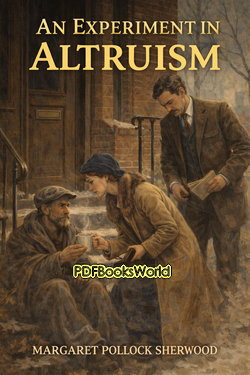
An Experiment in Altruism
by Margaret Pollock Sherwood
Exploring the Meaning of Selfless Service
An Experiment in Altruism by Margaret Pollock Sherwood is a thoughtful novel that examines the ideals of generosity, social responsibility, and personal sacrifice. Known for her interest in moral questions and social issues, Sherwood uses this story to explore what happens when individuals attempt to put the welfare of others ahead of their own interests. The novel reflects the reform-minded spirit of its era while addressing questions that remain relevant today.
Rather than presenting altruism as a simple virtue, Sherwood treats it as a complex human endeavor. Her characters discover that good intentions can lead to unexpected challenges and that helping others often requires wisdom as well as compassion.
What Is Altruism?
Altruism refers to concern for the well-being of others without expecting personal gain in return. Throughout history, philosophers, religious thinkers, and social reformers have debated whether true selflessness is possible and how it should be practiced.
The novel approaches these questions through the experiences of its characters. Their efforts to improve the lives of others become a form of experiment, testing both their ideals and their understanding of human nature.
Good Intentions and Real-World Challenges
One of the book's central insights is that helping others is rarely straightforward. Individuals may encounter resistance, misunderstandings, or unintended consequences when attempting to improve difficult situations. Sherwood recognizes that social problems often have deep roots and cannot be solved through enthusiasm alone.
This realistic perspective gives the novel depth and encourages readers to think carefully about the relationship between ideals and practical action.
Major Themes Found Throughout the Novel
- Altruism: The desire to serve others without seeking personal reward.
- Social Responsibility: Recognizing obligations toward the broader community.
- Compassion: Understanding and responding to the needs of others.
- Personal Growth: Learning through experience, reflection, and service.
These themes make the story both intellectually engaging and emotionally meaningful.
The Human Side of Reform
Many social novels focus on institutions or public policies, but Sherwood places equal emphasis on individual character. She explores how people are changed by their efforts to help others and how acts of service can influence both giver and recipient.
The novel suggests that meaningful reform begins with empathy and understanding. Genuine concern for others must be accompanied by patience, humility, and a willingness to learn.
Margaret Pollock Sherwood's Social Vision
Margaret Pollock Sherwood frequently addressed ethical and social issues in her writing. Her works often encouraged readers to think about their responsibilities toward society while recognizing the complexity of human relationships. In An Experiment in Altruism, she combines these interests with engaging storytelling and thoughtful character development.
Her approach avoids simplistic answers, instead presenting altruism as an ongoing process of learning, adaptation, and sincere effort.
Why Readers Find the Novel Meaningful
- Thought-Provoking Ideas: Raises important questions about service and responsibility.
- Realistic Characters: Individuals who face genuine moral and practical dilemmas.
- Social Relevance: Themes that remain significant in modern society.
- Emotional Depth: Explores the personal impact of helping others.
These qualities help the novel maintain its appeal long after its original publication.
Why An Experiment in Altruism Remains Worth Reading
An Experiment in Altruism offers a thoughtful examination of compassion, service, and social responsibility. Through its exploration of the challenges and rewards of selfless action, Margaret Pollock Sherwood encourages readers to reflect on how individuals can contribute to the well-being of others. The novel remains a valuable and engaging work for those interested in ethics, social reform, and the enduring question of what it truly means to live for something beyond oneself.
Similar Genres
About the Author
Margaret Pollock Sherwood was an American novelist, educator, essayist, and literary critic whose works explored education, social responsibility, personal ideals, and the changing role of women in modern society. Explore Margaret Pollock Sherwood books to discover the author's life, literary career, and access notable works.