
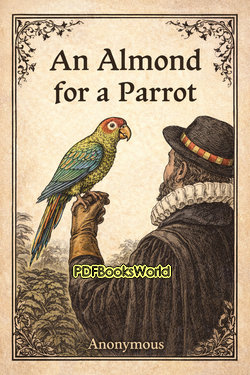
An Almond for a Parrot: Being a reply to Martin Mar-Prelate
by John Petheram
A Fiery Elizabethan Pamphlet of Religious Controversy and Satirical Debate
An Almond for a Parrot: Being a Reply to Martin Mar-Prelate by John Petheram is a fascinating historical and literary work connected to one of the most famous religious and political pamphlet controversies of Elizabethan England. The text belongs to the fierce pamphlet war surrounding the mysterious “Martin Marprelate” tracts, a series of anonymous publications criticizing the hierarchy and practices of the Church of England during the late sixteenth century.
Written in a period of intense religious conflict and political sensitivity, the work reflects the growing importance of print culture, satire, and public debate in shaping English intellectual life. An Almond for a Parrot responds to the provocative Martin Marprelate writings with sharp wit, mockery, and rhetorical aggression, illustrating how pamphlet literature became a powerful weapon in ideological struggle.
The volume blends religious controversy with satire, political argument, and literary polemic.
The Martin Marprelate Controversy
Martin Marprelate: The pseudonymous author or group responsible for a series of anti-episcopal pamphlets attacking bishops and church authorities within the Church of England during the 1580s.
The Martinist pamphlets criticized ecclesiastical corruption and advocated reforms influenced by Puritan religious ideals. Their lively, mocking style shocked many readers because theological debate had rarely been conducted with such open satire and personal attack.
An Almond for a Parrot emerged as part of the counterattack against Martin Marprelate, using equally sharp language and humor to undermine the authority and credibility of the reformist pamphleteers.
The atmosphere combines intellectual conflict, satire, and political tension.
The Style and Literary Character of the Work
The prose is energetic, combative, and heavily rhetorical, reflecting the intense argumentative culture of Elizabethan pamphlet writing. The title itself carries mocking symbolism, suggesting a small reward or sharp answer given to a noisy or troublesome “parrot,” meaning a repetitive critic or agitator.
The work relies upon sarcasm, ridicule, irony, and elaborate verbal attacks designed to entertain readers while defending religious and political authority.
Its lively language reveals how early modern writers blended literary creativity with ideological warfare.
Main Themes and Historical Reflection
The text explores themes of religious authority, freedom of expression, satire, political loyalty, censorship, reform, public debate, institutional power, and the influence of print culture.
Through fierce rhetorical exchanges, the pamphlet reflects broader tensions within Elizabethan England concerning church governance, national unity, and the boundaries of acceptable criticism.
The controversy also demonstrates how printed works increasingly shaped public opinion during the early modern period.
Why the Work Still Holds Importance
An Almond for a Parrot remains historically significant because the Martin Marprelate controversy marked an important moment in the development of English satire, religious polemic, and public political discourse.
The pamphlets reveal how deeply religious disagreements influenced politics and literature during the reign of Queen Elizabeth I.
Modern scholars also value the work for its contribution to the history of censorship, journalism, and literary satire.
The Lasting Importance of Elizabethan Pamphlet Literature
The late sixteenth century saw rapid growth in printed pamphlets, allowing political and religious debates to reach wider audiences than ever before. Pamphlet controversies helped shape the evolution of public opinion and early journalistic culture in England.
The Martin Marprelate tracts and their replies demonstrated the persuasive and disruptive power of satire within political and religious conflict.
The continuing fascination with Renaissance literature and Reformation history helps preserve appreciation for works like this.
Final Thoughts
An Almond for a Parrot: Being a Reply to Martin Mar-Prelate by John Petheram is a lively and historically important example of Elizabethan religious satire and pamphlet controversy. Through sharp rhetoric, humor, and ideological confrontation, the work captures the intensity of theological and political debate during one of the most dynamic periods in English history.
For readers interested in Renaissance literature, religious history, political satire, and the evolution of public debate, this work remains both intellectually fascinating and historically valuable.
Similar Genres
About the Author
John Petheram was an English bookseller, publisher, editor, and bibliographer whose work helped preserve many important historical and literary texts for future generations. Although he wrote on bibliographical subjects himself, he is best remembered for editing and republishing rare works from earlier centuries that might otherwise have remained difficult to access. Explore John Petheram books to discover the author's life, literary career, and access notable works.