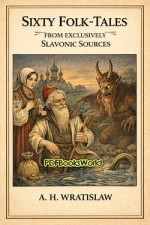
A. H. WRATISLAW
A. H. Wratislaw, also known as Albert Henry Wratislaw, was an English clergyman, scholar, translator, and folklorist whose work introduced English-speaking readers to the rich storytelling traditions of the Slavic world. Fascinated by the languages, customs, and oral traditions of Central and Eastern Europe, he devoted much of his career to translating and preserving folk literature that had previously been little known outside its native regions. Wratislaw believed that traditional tales were an important part of a nation's cultural heritage, reflecting its beliefs, values, imagination, and history. Through his translations and careful scholarship, he helped make the folklore of Slavic communities accessible to a wider international audience.
Preserving the Richness of Slavic Folklore
A. H. Wratislaw recognized that folk tales were more than simple stories told for entertainment. They preserved centuries of cultural memory, passing wisdom, traditions, and moral lessons from one generation to the next. His work collected stories featuring clever heroes, magical creatures, enchanted forests, brave princes and princesses, and memorable adventures, allowing readers to experience the imagination and storytelling traditions of different Slavic cultures. By recording and translating these tales, he helped protect an important part of Europe's literary heritage.
A Skilled Translator and Cultural Scholar
One of Wratislaw's greatest strengths was his ability to translate traditional stories while preserving their original charm and character. He sought to remain faithful to the spirit of the source material while presenting it in clear and readable English. His understanding of Slavic languages and traditions allowed him to provide readers with valuable cultural context, making the stories meaningful as well as enjoyable. His work encouraged greater appreciation of the diversity and richness of European folklore.
Building Bridges Between Cultures
Through his translations, Wratislaw introduced readers to legends and traditions that differed from the more familiar fairy tales of Western Europe. His collections demonstrated that although cultures may have unique customs and storytelling styles, they often share universal themes such as courage, kindness, wisdom, justice, and the triumph of hope over adversity. His books continue to serve as valuable resources for readers interested in comparative folklore, mythology, and cultural history.
Books Worth Exploring
- Sixty Folk-Tales from Exclusively Slavonic Sources – A carefully translated collection showcasing the diversity and imagination of Slavic folklore.
- Slavonic Fairy Tales – A collection of traditional tales drawn from various Slavic cultures.
- Grammar of the Bohemian Language – A scholarly guide to the Czech language reflecting Wratislaw's linguistic expertise.
- Native Literature of Bohemia – A study of Czech literary traditions and cultural history.
- Translations from Czech and Slavonic Writers – A selection of literary works introducing English readers to Slavic authors.
An Enduring Legacy
A. H. Wratislaw's contributions continue to be appreciated by readers, folklorists, and literary historians interested in the traditions of Central and Eastern Europe. His dedication to preserving and translating Slavic folklore helped ensure that these timeless stories could be enjoyed far beyond their original communities. Through his careful scholarship and respect for cultural heritage, he created a lasting bridge between languages, traditions, and generations of readers.
Readers interested in folklore, mythology, fairy tales, and cultural history can explore the works of A. H. Wratislaw at PDF Books World and discover the enduring charm and imagination of the rich storytelling traditions of the Slavic world.