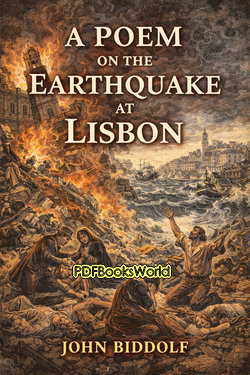
A poem on the earthquake at Lisbon
by Anonymous
A Poetic Response to One of History's Most Devastating Disasters
A Poem on the Earthquake at Lisbon is a reflective work inspired by the catastrophic Lisbon earthquake of 1755, one of the most significant natural disasters in European history. The poem responds to the destruction, loss of life, and widespread shock caused by the event, using verse to explore questions about human suffering, mortality, faith, and the power of nature. Like many literary works inspired by historic tragedies, it seeks to transform a moment of devastation into an opportunity for reflection and understanding.
The earthquake struck Lisbon, Portugal, on November 1, 1755, causing immense damage through seismic shocks, fires, and tsunamis. News of the disaster spread across Europe, prompting widespread discussion among writers, philosophers, and religious thinkers. This poem forms part of that broader response.
The Historical Event
The Lisbon earthquake was one of the deadliest natural disasters of the eighteenth century. Entire sections of the city were destroyed, and countless lives were lost. The scale of the catastrophe shocked contemporaries and challenged many assumptions about the natural world.
For people living at the time, the event seemed almost unimaginable. Its impact extended far beyond Portugal, influencing intellectual and cultural discussions throughout Europe for many years.
Poetry as a Means of Reflection
The anonymous author uses poetry to process the emotional and moral questions raised by the disaster. Through imagery and contemplation, the poem encourages readers to consider the fragility of human life and the unpredictable forces of nature.
Rather than serving as a simple record of events, the poem seeks to capture the feelings of sorrow, wonder, and uncertainty that often follow large-scale tragedies.
Key Elements of the Poem
- Historical Inspiration: Based on the Lisbon earthquake of 1755.
- Emotional Reflection: Responses to loss and destruction.
- Religious Thought: Consideration of faith and providence.
- Natural Power: Recognition of nature's overwhelming force.
- Moral Contemplation: Questions about human existence and destiny.
Major Themes
- Mortality: The vulnerability of human life.
- Nature: The immense power of natural forces.
- Faith: Attempts to find meaning during times of suffering.
- Loss: The emotional impact of tragedy.
- Reflection: Learning from events that challenge human understanding.
The Literary Context
Disasters have long inspired poets and writers to explore profound questions about life and society. In the eighteenth century, poetry often served as a vehicle for philosophical and religious reflection. Works inspired by the Lisbon earthquake were especially significant because the event challenged existing beliefs about order, justice, and the relationship between humanity and nature.
This poem reflects that tradition, using verse to engage with issues that were widely debated by thinkers of the period.
Historical and Cultural Importance
Although the author's identity remains unknown, the poem provides insight into how individuals responded to one of the defining events of the eighteenth century. It demonstrates how literature can preserve emotional reactions to historical events and offer perspectives that complement factual accounts.
Such works help modern readers understand not only what happened but also how people felt and thought in the aftermath of disaster.
Why the Poem Remains Worth Reading
A Poem on the Earthquake at Lisbon remains valuable because it combines historical significance with timeless themes. Its reflections on mortality, suffering, and resilience continue to resonate with readers who seek to understand how people respond to tragedy.
For those interested in historical poetry, eighteenth-century literature, or the cultural impact of major disasters, the poem offers a thoughtful and moving glimpse into the human response to one of history's most memorable catastrophes.