A Treatise on Painting
by Leonardo Da Vinci
The Artistic Wisdom and Creative Vision of Leonardo da Vinci
A Treatise on Painting by Leonardo da Vinci is one of the most influential works ever written about art, observation, and creative technique. In this remarkable collection of artistic principles and reflections, Leonardo explains how painters can better understand nature, light, anatomy, perspective, emotion, and visual composition in order to create more realistic and expressive works of art.
The book reveals not only Leonardo’s extraordinary talent as a painter but also his deep curiosity about science, mathematics, human anatomy, and the natural world. His ideas helped shape the development of Renaissance art and continue to influence artists and students even today.
Painting as Both Art and Science
Leonardo believed that painting required much more than imagination or decoration. According to him, a great artist must carefully observe the world and understand how nature truly works.
He studied shadows, movement, anatomy, proportion, weather, light, and facial expression in order to create paintings that appeared lifelike and emotionally convincing. For Leonardo, painting combined artistic creativity with scientific observation.
This approach helped distinguish Renaissance art from many earlier artistic traditions.
Important Ideas Discussed in the Book
The treatise explores many different aspects of artistic technique and visual understanding.
- Perspective and spatial depth in painting
- The effects of light and shadow
- Human anatomy and proportion
- The observation of nature and movement
- Emotional expression in faces and gestures
These subjects demonstrate Leonardo’s belief that artists should study the world carefully in order to represent it accurately.
The Importance of Observation
One of Leonardo’s strongest beliefs was that artists must become close observers of nature. He encouraged painters to study clouds, water, plants, animals, and human movement in detail.
By observing the natural world directly, artists could understand how light changes surfaces, how bodies move, and how emotion appears through expression and posture.
Leonardo’s intense attention to observation became one of the defining characteristics of his artistic genius.
The Influence of Science on Art
The treatise also reflects Leonardo’s interest in scientific inquiry. He approached painting with the curiosity of both an artist and an inventor.
His anatomical studies improved his understanding of muscles and movement, while his investigations into optics helped him master light and perspective. This combination of science and creativity made Leonardo one of the most extraordinary figures of the Renaissance.
The book demonstrates how deeply connected art and scientific thought were in his work.
The Writing Style of Leonardo da Vinci
The writing style is thoughtful, analytical, and instructional. Rather than presenting abstract theories alone, Leonardo offers practical observations and artistic advice based on direct experience and experimentation.
Many sections feel like lessons from a master artist explaining how to see the world more clearly. His curiosity and intellectual energy are visible throughout the work.
The treatise remains fascinating because it reveals the creative mind behind some of history’s most famous artworks.
Why A Treatise on Painting Still Matters
A Treatise on Painting continues to inspire artists, historians, and students because it combines artistic wisdom with scientific observation and creative philosophy. Leonardo da Vinci’s ideas about realism, perspective, anatomy, and observation remain central to artistic education even centuries later.
For readers interested in Renaissance art, creativity, painting techniques, and the history of artistic thought, the book offers valuable insight into the methods and imagination of one of history’s greatest geniuses.
Similar Genres
About the Author
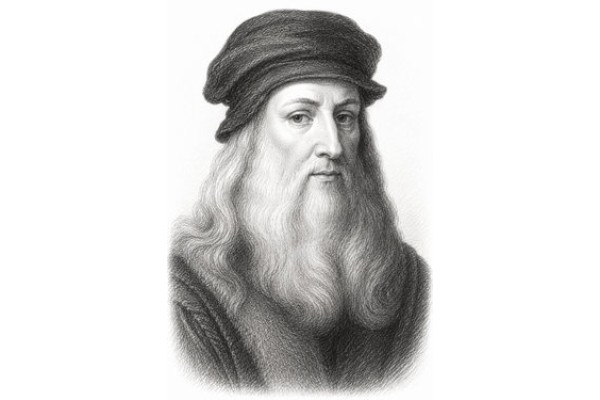
Leonardo da Vinci was an Italian polymath of the Renaissance whose extraordinary achievements as an artist, inventor, scientist, engineer, anatomist, and writer made him one of history's greatest creative minds. Born near Vinci, Italy, in 1452, Leonardo combined remarkable artistic talent with an insatiable curiosity about the natural world. Explore Leonardo Da Vinci books to discover the author's life, literary career, and access notable works, including The Notebooks of Leonardo Da Vinci , and more.