A Portrait of the Artist as a Young Man
by James Joyce
James Joyce’s Revolutionary Coming-of-Age Novel
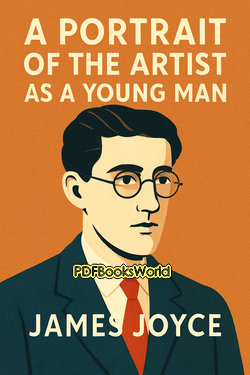
A Portrait of the Artist as a Young Man by James Joyce is one of the most influential novels of modern literature. Published in 1916, the book follows the intellectual and emotional development of Stephen Dedalus as he struggles with religion, identity, family expectations, and artistic ambition in Ireland.
What Is A Portrait of the Artist as a Young Man About?
The novel traces the life of Stephen Dedalus from childhood to early adulthood. As he grows older, Stephen becomes increasingly aware of the pressures placed upon him by religion, politics, and society.
Throughout the story, Stephen questions traditional beliefs and searches for personal freedom and artistic independence. His journey becomes both a psychological exploration and a search for identity as he decides whether to remain loyal to Irish society or pursue his own creative path.
Readers can explore the novel’s background through Wikipedia’s overview of A Portrait of the Artist as a Young Man.
Why the Novel Remains Important
The novel became famous because of its innovative writing style and deep psychological insight. James Joyce transformed modern fiction by focusing closely on a character’s inner thoughts and emotional experiences.
Readers continue to admire the novel because of its:
- Psychological depth and realism
- Innovative modernist writing style
- Exploration of identity and creativity
- Influence on twentieth-century literature
The book remains one of the most important examples of literary modernism.
Main Characters in the Novel
Stephen Dedalus
Stephen is intelligent, thoughtful, and deeply conflicted. His struggle between conformity and artistic freedom shapes the entire novel.
Simon Dedalus
Stephen’s father is charming but financially irresponsible, creating instability within the family.
The Clergy and Teachers
Religious and educational figures strongly influence Stephen’s moral and intellectual development throughout his youth.
Students and literature enthusiasts often use SparkNotes for A Portrait of the Artist as a Young Man to better understand the novel’s themes and symbolism.
Major Themes in the Novel
Identity and Self-Discovery
The novel explores Stephen’s search for personal meaning and independence as he grows into adulthood.
Religion and Rebellion
Stephen struggles with Catholic teachings and questions the authority of religious institutions.
Art and Creativity
The story examines the role of the artist in society and the sacrifices required for creative freedom.
Nationality and Culture
Joyce also explores Irish identity, politics, language, and cultural expectations.
James Joyce’s Revolutionary Writing Style
James Joyce became one of the most influential modernist writers because of his experimental narrative techniques and psychological realism. In this novel, he uses evolving language and stream-of-consciousness elements to reflect Stephen’s changing thoughts and maturity.
His innovative storytelling methods strongly influenced modern fiction and literary criticism.
Readers interested in Joyce’s literary legacy often explore Britannica’s biography of James Joyce for historical and literary insights.
Interesting Facts About A Portrait of the Artist as a Young Man
- The novel was published in 1916.
- Stephen Dedalus appears again in Joyce’s later works.
- The story is partly autobiographical.
- The novel helped define literary modernism.
- Joyce originally developed the work from an unfinished earlier manuscript.
Why Readers Still Study the Novel Today
Modern readers continue to admire A Portrait of the Artist as a Young Man because of its psychological insight, literary innovation, and timeless themes of identity and creativity. Joyce’s exploration of personal freedom and artistic ambition still resonates with readers around the world.
For fans of classic literature and modernist fiction, the novel remains one of the most important and influential works of the twentieth century.
Similar Genres
About the Author
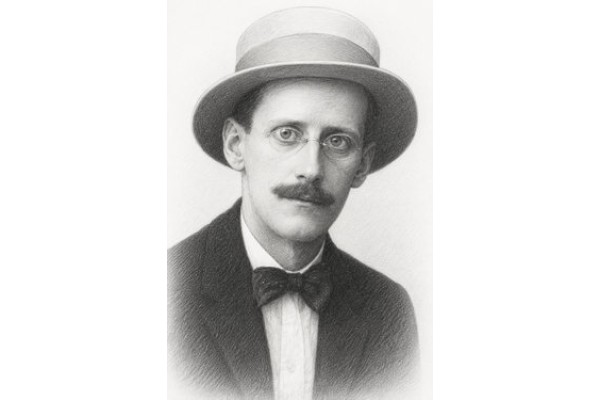
James Joyce was an Irish novelist, poet, and short story writer whose groundbreaking literary innovations transformed modern fiction. Born in Dublin in 1882, Joyce drew deeply from the people, streets, and culture of his native city, creating works that explored memory, identity, language, and the complexities of everyday life. Explore James Joyce books to discover the author's life, literary career, and access notable works, including Ulysses, Dubliners , and more.