
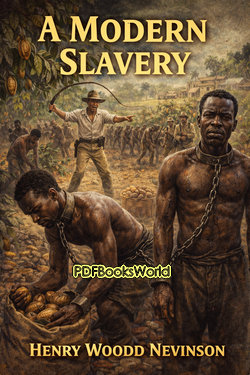
A Modern Slavery
by Henry Woodd Nevinson
An Investigation into Human Exploitation and Social Injustice
A Modern Slavery by Henry Woodd Nevinson is a powerful work of investigative journalism that examines systems of forced labor and human exploitation during the early twentieth century. Nevinson, a respected journalist, war correspondent, and social reform advocate, traveled extensively to observe labor conditions firsthand. His book exposes practices that, although occurring after the formal abolition of slavery in many parts of the world, closely resembled slavery in their treatment of workers and restriction of personal freedom.
The work combines careful reporting, personal observation, and moral concern, making it both a historical document and a call for greater awareness of human rights issues.
Henry Woodd Nevinson's Mission
Nevinson was known for investigating social and political issues that many preferred to ignore. Rather than relying solely on secondhand reports, he traveled to regions where allegations of forced labor existed and gathered evidence through direct observation and interviews.
His commitment to firsthand investigation gave his writings credibility and helped draw public attention to abuses that might otherwise have remained hidden.
The Meaning of "Modern Slavery"
The title reflects Nevinson's argument that slavery can persist even when legal systems formally prohibit it. He examines labor arrangements in which workers were subjected to coercion, harsh conditions, limited freedom, and economic exploitation.
By describing these practices as a form of modern slavery, Nevinson challenged readers to look beyond legal definitions and consider the realities experienced by vulnerable populations.
Major Themes Found Throughout the Book
- Human Rights: The dignity and freedom of every individual.
- Social Justice: Opposition to exploitation and inequality.
- Investigative Journalism: Revealing hidden conditions through firsthand reporting.
- Reform: Encouraging awareness and positive social change.
These themes give the book lasting significance beyond its immediate historical context.
Documenting Labor Conditions
A major focus of the work is the examination of labor systems that depended upon coercion and unequal power relationships. Nevinson describes the hardships faced by workers and investigates the structures that allowed such conditions to continue.
His reporting provides valuable historical insight into labor practices and economic systems during the colonial era.
The Power of Investigative Reporting
One reason the book remains important is its demonstration of journalism's ability to influence public opinion. By gathering evidence and presenting it to a wide audience, Nevinson contributed to discussions about labor reform and human rights.
The work illustrates how careful reporting can bring attention to neglected issues and encourage accountability.
A Historical Perspective on Human Rights
Modern readers may recognize many concerns discussed in the book as part of broader conversations about labor rights and social justice. While the specific circumstances described belong to a particular historical period, the questions raised about exploitation, responsibility, and human dignity remain relevant.
As a historical document, the book helps readers understand how awareness of these issues developed over time.
Why Readers Continue to Study the Book
- Historical Importance: A significant investigation into labor exploitation.
- Journalistic Value: An example of influential investigative reporting.
- Human Rights Perspective: Examination of freedom and dignity.
- Social Relevance: Themes that continue to resonate today.
Why A Modern Slavery Remains Worth Reading
A Modern Slavery is a compelling and important work that combines investigative journalism with a deep concern for human welfare. Through his firsthand observations and careful documentation, Henry Woodd Nevinson exposed systems of exploitation that challenged assumptions about progress and freedom. The book remains a valuable resource for readers interested in history, social justice, labor rights, and the enduring struggle to protect human dignity.
Similar Genres
About the Author
Henry Woodd Nevinson was a British journalist, war correspondent, author, and social reformer whose writings combined careful observation with a strong commitment to justice. Throughout his career, he reported from conflict zones, investigated political movements, and documented social conditions that many readers had never witnessed firsthand. Explore Henry Woodd Nevinson books to discover the author's life, literary career, and access notable works.