
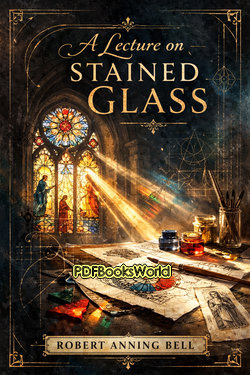
A Lecture on Stained Glass
by Robert Anning Bell
The Art and Beauty Behind One of History’s Most Colorful Crafts
A Lecture on Stained Glass by Robert Anning Bell is an informative and engaging exploration of stained glass as both an artistic and architectural medium. Written by a respected artist and designer, the work examines the history, techniques, and aesthetic principles that have made stained glass a cherished form of artistic expression for centuries. The book offers readers valuable insight into how craftsmen transform glass, light, and color into works of lasting beauty.
The Enduring Appeal of Stained Glass
Stained glass has been admired for generations because of its unique ability to combine art with architecture. Whether found in churches, public buildings, or private homes, stained-glass windows create striking visual effects by allowing light to pass through carefully arranged pieces of colored glass. Bell explores how this art form developed and why it continues to inspire admiration.
A Brief History of the Craft
The lecture traces the evolution of stained glass from its early origins to its prominent role in medieval architecture. During the Middle Ages, stained-glass windows became an important feature of many cathedrals, serving both decorative and educational purposes. Through intricate designs and vivid colors, artists conveyed religious stories and symbolic messages to viewers.
Key Elements of Stained-Glass Design
- Color: Different shades create mood, depth, and visual impact.
- Light: Natural illumination brings stained-glass artwork to life.
- Composition: Careful arrangement of shapes and figures creates balance.
- Craftsmanship: Skilled techniques ensure durability and artistic quality.
The Relationship Between Art and Architecture
One of Bell’s central ideas is that stained glass should work in harmony with the building that surrounds it. A successful window complements the structure’s design while enhancing the atmosphere of the interior space. This connection between architecture and decoration helps explain why stained glass has remained such an important artistic medium.
Major Themes in the Lecture
- Artistic Expression: Stained glass combines creativity with technical skill.
- Beauty and Function: Decorative elements can also serve practical purposes.
- Tradition: The craft draws upon centuries of artistic development.
- Craftsmanship: Excellence depends on patience, knowledge, and precision.
- The Power of Light: Illumination transforms glass into a living work of art.
Robert Anning Bell’s Perspective
As an accomplished artist associated with the Arts and Crafts movement, Robert Anning Bell approached stained glass with both technical knowledge and artistic appreciation. His lecture reflects a deep respect for traditional craftsmanship while encouraging readers to recognize the creative possibilities of the medium. His enthusiasm makes the subject accessible even to those unfamiliar with art history.
Why the Work Remains Relevant
A Lecture on Stained Glass continues to interest artists, designers, historians, and architecture enthusiasts. Its discussion of technique, design, and artistic principles provides a valuable introduction to one of the world's most distinctive art forms. For readers curious about the craftsmanship behind stained-glass windows and their role in cultural history, this work offers both education and inspiration.
Similar Genres
About the Author
Robert Anning Bell was an English artist, designer, illustrator, educator, and author whose work played a significant role in the Arts and Crafts Movement. Renowned for his achievements in stained glass, book illustration, mural painting, and decorative design, Bell combined traditional craftsmanship with artistic innovation. Explore Robert Anning Bell books to discover the author's life, literary career, and access notable works.