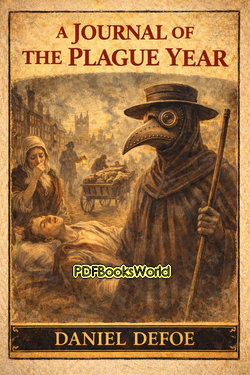
A Journal of the Plague Year
by Daniel Defoe
Why A Journal of the Plague Year Remains One of the Most Powerful Historical Narratives
A Journal of the Plague Year by Daniel Defoe is one of the most remarkable works of historical fiction in English literature. The book presents a vivid account of London during the Great Plague of 1665, combining realistic detail with emotional storytelling. Through its careful descriptions of fear, isolation, survival, and social chaos, the work continues to feel surprisingly relevant to modern readers.
The novel is strongly connected to historical narrative traditions, which blend factual events with literary storytelling to create immersive accounts of the past.
What Makes A Journal of the Plague Year So Unique?
Unlike many fictional stories of its time, Defoe’s work feels almost documentary in style. The detailed descriptions of daily life, public fear, and government responses create the impression of a firsthand historical record.
Readers are drawn into the emotional atmosphere of plague-stricken London, where uncertainty and survival affected every part of society.
Main Features of the Book
- Realistic and detailed storytelling
- Powerful descriptions of public fear
- Historical insight into seventeenth-century London
- Psychological exploration of human behavior
- Blending of fact and literary fiction
The Emotional Impact of the Plague Narrative
One reason the book remains influential is its exploration of how people react during a crisis. Defoe describes not only sickness and death but also panic, rumor, loneliness, and resilience.
The narrative captures how fear can change relationships, communities, and everyday routines. At the same time, it also highlights acts of courage and compassion during difficult circumstances.
Major Themes Explored in the Story
- The fear of disease and uncertainty
- Social isolation and survival
- The spread of panic and misinformation
- Human resilience during crisis
- The relationship between society and public health
Why Modern Readers Still Connect With the Book
Modern audiences continue to find the book meaningful because its themes remain universal. The emotional experiences described by Defoe still feel familiar in times of social crisis and uncertainty.
Its realistic tone and observational style make the narrative feel immediate, even centuries after it was written.
Reasons for Its Lasting Popularity
- Detailed historical atmosphere
- Emotionally realistic storytelling
- Thought-provoking social commentary
- Timeless exploration of fear and survival
- Strong literary and historical value
Readers interested in the historical background of epidemics often explore the history of major plague outbreaks to better understand the events that shaped works like Defoe’s narrative.
Daniel Defoe’s Influence on Literature
Daniel Defoe became one of the pioneers of realistic English fiction because of his ability to combine factual detail with compelling storytelling. His works often explored survival, society, and human behavior in times of hardship.
His narrative style influenced many later novelists by showing how fiction could realistically portray historical and social experiences.
Important Literary Contributions
- Advanced realistic narrative techniques
- Blended journalism with fiction
- Influenced historical storytelling
- Expanded psychological realism in literature
- Helped shape the modern English novel
Final Thoughts
A Journal of the Plague Year remains one of the most compelling literary accounts of crisis and survival ever written. Through realistic detail and emotional depth, Daniel Defoe created a narrative that continues to resonate with readers across generations. Its exploration of fear, resilience, and human behavior ensures its lasting importance in both literature and history.
Similar Genres
About the Author
Daniel Defoe was an English novelist, journalist, merchant, and political writer who is widely regarded as one of the founders of the English novel. Born in London around 1660, Defoe led a remarkably varied life as a businessman, government agent, pamphleteer, and prolific author. Explore Daniel Defoe books to discover the author's life, literary career, and access notable works, including The Life and Adventures of Robinson Crusoe , and more.