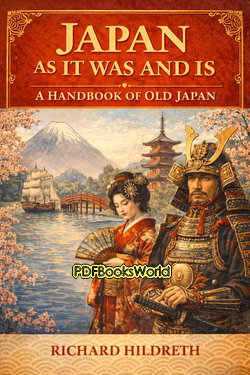
A Handbook of Old Japan, Volume I
by Richard Hildreth
Exploring the Traditions, Culture, and History of a Changing Japan
A Handbook of Old Japan (Vol. I) by Richard Hildreth is a fascinating introduction to the customs, institutions, and daily life of Japan before the rapid modernization of the late nineteenth century. Drawing upon historical records, travel observations, and cultural studies, the book presents a detailed portrait of a society shaped by centuries of tradition. For readers interested in Japanese history and culture, this volume serves as a valuable guide to a world that was both distinctive and deeply influential.
A Window into Traditional Japan
The book examines Japan during a period when ancient customs and social structures remained central to everyday life. Long before modern technology and industrialization transformed the nation, Japanese society was organized around established traditions, strong community ties, and a rich cultural heritage. Hildreth introduces readers to these foundations, helping them understand how the country functioned during earlier centuries.
The Structure of Japanese Society
One of the volume's key subjects is the organization of society. From the imperial court and military leaders to merchants, artisans, and farmers, each group played a specific role within the social order. The book explains how these relationships shaped governance, economic activity, and daily life throughout the country.
Important Topics Covered
- Historical Development: The events and influences that shaped traditional Japan.
- Social Classes: The roles and responsibilities of different groups within society.
- Customs and Traditions: Practices that influenced family and community life.
- Religion and Philosophy: Beliefs that guided moral and cultural values.
Culture and Everyday Life
Beyond politics and history, the book explores the cultural achievements of Japan. Readers learn about traditional arts, education, ceremonies, and social customs. These details help create a fuller picture of life in old Japan and demonstrate the importance of cultural continuity in shaping national identity.
Major Themes in the Volume
- Tradition: Long-established customs provide stability and identity.
- Social Order: Society functions through clearly defined roles and responsibilities.
- Cultural Heritage: Art, literature, and philosophy enrich everyday life.
- Historical Continuity: The past influences the development of future generations.
- Understanding Other Cultures: Learning about different societies broadens perspective.
Richard Hildreth’s Historical Perspective
Hildreth approaches his subject with curiosity and a desire to explain Japanese society to readers unfamiliar with its traditions. His work combines historical information with cultural observation, making the volume both educational and engaging. The detailed descriptions help readers appreciate the complexity and richness of Japan's historical development.
Why Volume I Remains Valuable
A Handbook of Old Japan (Vol. I) continues to be an important resource for readers interested in Japanese history and culture. Its examination of traditional institutions, social customs, and cultural practices provides insight into a society that continues to influence modern Japan. For students, historians, and general readers alike, the book offers a rewarding journey into one of the world's most fascinating civilizations.
Similar Genres
About the Author
Richard Hildreth was an American historian, journalist, political philosopher, abolitionist, and novelist whose influential writings explored history, government, economics, and international affairs. Born in Deerfield, Massachusetts, in 1807, Hildreth became one of the nineteenth century's foremost intellectuals, earning lasting recognition for his multi-volume History of the United States. Explore Richard Hildreth books to discover the author's life, literary career, and access notable works, including A Handbook of Old Japan, Volume II , and more.