
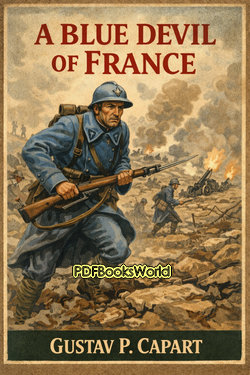
A Blue Devil of France
by Gustav P. Capart
War, Courage, and Frontline Experience in the French Army During World War I
Cold trenches, artillery fire, exhausting marches, sudden attacks, and the constant pressure of survival define the harsh wartime world portrayed in A Blue Devil of France by Gustav P. Capart. The book presents experiences connected with the famous French mountain troops known as the “Blue Devils,” soldiers whose courage and endurance became legendary during World War I.
Blending military realism with personal observation, the work captures both the physical hardship and emotional intensity of life on the front lines.
The Meaning Behind the “Blue Devils”
The nickname “Blue Devils” referred to elite French Alpine troops recognized for their dark blue uniforms, mountain training, and fierce reputation in combat.
German forces reportedly used the term because of the soldiers’ effectiveness and determination during battle.
The name carried an image of toughness, discipline, and relentless endurance under dangerous conditions.
The book reflects the pride and identity associated with these wartime units.
Life in the Trenches
Much of the narrative focuses on the exhausting reality of trench warfare during World War I.
Soldiers faced:
- Mud, cold, and constant discomfort
- Artillery bombardment and sniper fire
- Fear, exhaustion, and psychological strain
- Long periods of waiting interrupted by sudden violence
The book emphasizes how survival often depended on endurance and cooperation rather than dramatic heroics alone.
Brotherhood Among Soldiers
One of the strongest emotional elements within wartime memoirs and military narratives is the bond formed between soldiers living under constant danger.
Shared hardship creates loyalty and mutual dependence that become essential for emotional survival.
The work highlights camaraderie, sacrifice, and the emotional resilience required to continue fighting amid enormous destruction.
Friendship becomes one of the few stable forces within chaos.
The Human Side of War
Although military action plays an important role, the book also reflects on the emotional and psychological cost of warfare.
Readers encounter moments involving:
- Fear before battle
- Grief over loss and casualties
- Homesickness and uncertainty
- The struggle to preserve humanity during violence
These details help move the story beyond patriotic spectacle into more personal territory.
The Writing Style of Gustav P. Capart
Capart writes with directness and immediacy, focusing on lived experience rather than distant historical analysis. The tone often feels personal, vivid, and emotionally grounded.
Descriptions of battlefield conditions and military life create a strong sense of realism and urgency.
The narrative aims to communicate the atmosphere of war as experienced by ordinary soldiers.
Why A Blue Devil of France Still Holds Historical Value
A Blue Devil of France remains important because firsthand and semi-personal wartime accounts help modern readers understand the realities behind historical events often reduced to dates and battles.
For readers interested in World War I history, French military experience, trench warfare, and soldier memoir-style narratives, Gustav P. Capart’s work offers a vivid portrait of endurance, comradeship, and survival during one of history’s most devastating conflicts.
Similar Genres
About the Author
Gustav P. Capart was an American author whose military fiction introduced young readers to stories of courage, discipline, and service during times of war. Writing in the early twentieth century, he drew inspiration from contemporary military events to create exciting narratives that combined action with positive values. Explore Gustav P. Capart books to discover the author's life, literary career, and access notable works.